| The Biden administration announced sharp tariff increases on a range of Chinese goods this week. |
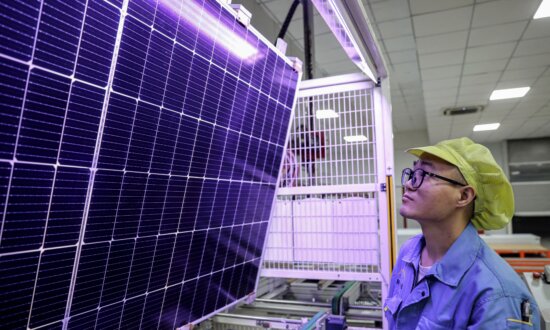
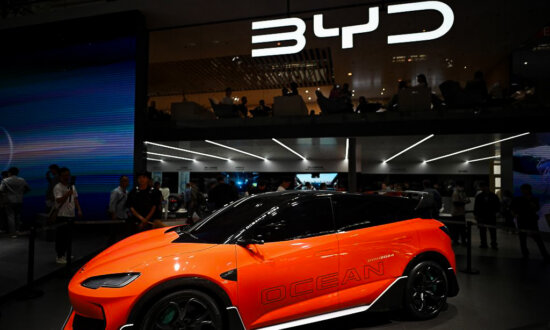
| The new tariffs on Chinese goods in selected sectors, such as electric vehicles, semiconductors, solar cells, steel and aluminum products, and medical supplies, often triple or quadruple the current level. Depending on the products, the updated levies will take effect in 2024, 2025, or 2026. |
| Lael Brainard, director of the National Economic Council, described the tariff increases as a necessary response to China's "continuing to invest despite excess Chinese capacity" and "flooding the global market with exports that are underpriced due to unfair practices." |
| She added that the tariff increases are consistent with President Biden's policy of "responsibly managing competition with China" and that the administration is working with other countries to "address our shared concerns about China's unfair practices." |
| James Lewis, director of the Strategic Technologies Program at the Center for Strategic and International Studies think tank, described the U.S. vantage point—"The whole idea that you could have unlimited open trade with China and there was no risk is gone." |
| The Biden administration, he said, has done a good job of recognizing that "technology and economics are as important, if not more important, than traditional military power" and the need to restrict China's access to them. |
| "Those are the two biggest things: rebuilding partnerships to support a rule-based order and choking back on technology linkages with China," Lewis told The Epoch Times, describing his view of President Joe Biden's China policy achievements. |
| Stephen Ezell, vice president for global innovation policy at the Washington-based Information Technology and Innovation Foundation think tank, told The Epoch Times that the new tariff policies represented "a significant strengthening of the Biden administration's China position from certainly where they were at the start of their administration." |
| During his 2020 presidential election campaign, then-candidate Biden criticized the tariffs President Donald Trump implemented on Chinese goods and said he would remove them after taking office. |
| Yet, more than three years into his administration, President Biden has kept all of them in place and added more this week. |
| According to White House officials, the tariff hikes apply to about $18 billion of annual imports from China. They also said all existing tariffs levied during the Trump administration—about $300 billion of goods from China yearly—would stay, if not increase. The Census Bureau reported the total U.S. imports from China at about $430 billion last year. |
| When announcing the tariff hikes, Biden also touted his other achievements in helping America "outcompete" China, such as the bipartisan CHIPS and Science Act, which resulted in about $30 billion in grants and $25 billion in loans to semiconductor manufacturers so far. |
| Does being tough on China pay off among voters? |
| The experts we spoke to have different opinions on to what extent President Biden's recent moves on China are for attracting votes in this year's presidential election. |
| However, they agree that vote-grabbing or not, Biden carried out his China policies at a time when American public awareness of the China threat reached a whole new level compared to four years ago. |
| Eighty-one percent of Americans view China unfavorably now, compared to 73 percent a month before the 2020 presidential election, according to a recent poll by the Pew Research Center. |
| For Ezell, the moves are both aimed at taking a more resolute position against China and getting more votes in the election. |
| Lewis held a different opinion. |
| Pushing back on China, he said, had been a "consistent theme" endorsed by members of the Biden administration's national security brain trust even before the 2020 presidential election. |
| "There was a realization that the old structures and the old security threats didn't reflect what was really going on. I think that's where the Biden people would say they're trying to modernize American foreign policy." |
| According to William Lee, chief economist at the Milken Institute, an economic think tank based in California, the $18 billion new tariff base was negligible compared to the $300 billion base of the existing tariffs. Therefore, he considered the move purely for votes. |
| However, he credited Biden with returning to a more traditional Democratic platform, which supports workers and their rights. He said Trump took that platform and expanded it to include American jobs. |
| "Now Biden is brave enough to go back to the original platform and take on Trump," he added. |
| "Biden and Trump are singing the same China tune. It's just that Biden is in the first and third stanzas, and Trump is in the second stanza. |
| "It's the same song." |
| |
| To dig deeper into the subject, read the following original reporting by our journalists: | |
| |
| |
| |
Thank you for being a subscriber
If you enjoy what you're reading, please consider forwarding this email to someone who might find it informative. Your Feedback
We'd love to hear from you. You can email us at topstory@epochtimes.nyc We may feature an exerpt of your response in the next newsletter.
| | |





No comments:
Post a Comment